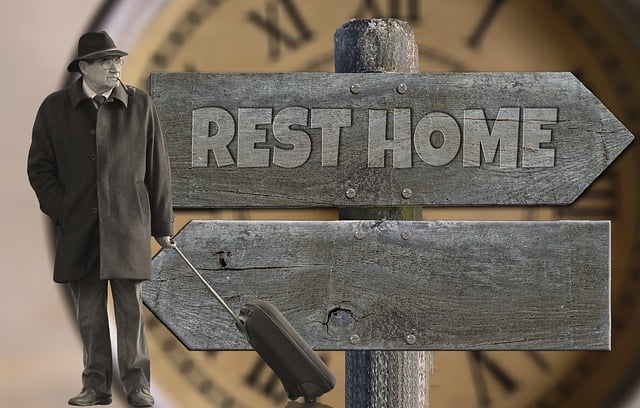
Denver's Coordinated Elder Abuse Response (CEAR) initiative tackles financial exploitation, physical/sexual abuse, and neglect through multi-agency collaboration. Key strategies include raising awareness, education programs, structured training for caregivers, peer support groups, and legal clinics focused on elderly sexual assault by elderly sexual assault lawyers CO. These measures aim to protect seniors, reduce reporting hesitancy, and foster a proactive environment against abuse and exploitation.
The Denver metro area, like many urban centers, faces a growing challenge in addressing elder abuse, particularly the often overlooked and stigmatized issue of sexual assault against seniors. As our population ages, it’s crucial to understand the complexities of this problem and the vulnerable nature of the elderly population. This article delves into the coordinated response efforts within the Denver metro area, providing an in-depth look at how various agencies, professionals, and legal experts, including elderly sexual assault lawyers CO, collaborate to protect and support victims, while also advocating for systemic changes to prevent such atrocities.
Understanding Elder Abuse in Denver Metro: Recognizing Signs

Elder abuse is a pervasive issue within the Denver Metro Area, often going unrecognized or unreported. Recognizing signs of elder abuse is crucial to ensuring timely intervention and support for vulnerable individuals. The Denver Metro region, with its diverse communities and aging population, presents unique challenges in identifying and addressing these issues. According to recent studies, Colorado ranks among the states with a higher incidence of elder abuse, highlighting the need for heightened awareness and proactive measures.
Financial exploitation is one of the most common forms of elder abuse in Denver, with elderly individuals falling victim to scams, fraudulent activities, or unfair financial dealings. Signs may include unexpected changes in bank accounts, unexplained withdrawals, or the presence of new, questionable beneficiaries on financial documents. Additionally, physical abuse and neglect are significant concerns, especially in care facilities or at home. This can manifest as unexplained injuries, poor living conditions, or a sudden decline in overall health. Sexual assault is another critical aspect often overlooked; elderly sexual assault lawyers in CO emphasize the need for awareness, as victims may struggle to speak out due to shame, fear, or cognitive impairments.
Recognizing these signs is the first step towards prevention and justice. The Denver Metro Area’s dedicated Coordinated Elder Abuse Response (CEAR) teams play a vital role in investigating reports and providing support services. By educating caregivers, family members, and the public about potential red flags, CEAR aims to foster a culture of vigilance and compassion. Individuals are encouraged to report suspected abuse by contacting local law enforcement or elder protection agencies, ensuring that vulnerable seniors receive the help they need.
Legal Response: Advocacy for Elder Victims, Including Sexual Assault

The Denver Metro Area’s Coordinated Elder Abuse Response (CEAR) system recognizes the critical need for a comprehensive legal response to protect elderly victims of abuse, particularly sexual assault. Legal advocates play a pivotal role in empowering these individuals, who often face unique challenges when coming forward and seeking justice. Elderly sexual assault lawyers in CO are well-versed in navigating complex legal systems and advocating for clients’ rights. They understand the emotional and psychological trauma associated with such crimes, offering specialized support tailored to the needs of seniors.
According to recent studies, elderly sexual abuse cases have seen a disturbing rise, emphasizing the urgent need for robust legal representation. The unique dynamics of these crimes demand an adept legal strategy. Elderly victims may experience difficulties in communicating their experiences due to cognitive impairments or fear of retaliation. CO’s dedicated lawyers employ innovative strategies to gather evidence and build strong cases, ensuring that justice is served. For instance, they collaborate with medical professionals and mental health experts to assess and document the impact of abuse, which can be crucial in court proceedings.
Practical steps include establishing specialized legal clinics focused on elder abuse, providing free or low-cost services to underserved communities. These initiatives ensure access to justice for all elderly victims. Furthermore, continuous training for legal professionals on recognizing and addressing elderly sexual assault is essential. By fostering a culture of awareness and sensitivity, lawyers can offer more effective advocacy, contributing to the overall reduction of such crimes and improved outcomes for vulnerable seniors in the Denver metro area.
Coordinated Efforts: Local Agencies, Nonprofits, and Law Enforcement Collaboration

The Denver Metro Area’s Coordinated Elder Abuse Response (CEAR) initiative exemplifies a multifaceted approach to tackling elder abuse, encompassing collaboration between local agencies, nonprofits, and law enforcement. This collective effort recognizes that elder abuse—including financial exploitation and, alarmingly, elderly sexual assault in CO—is a complex issue requiring diverse expertise. For instance, the CEAR network facilitates information-sharing among stakeholders, ensuring that case managers, social workers, and law enforcement officers are equipped with comprehensive knowledge of vulnerable individuals and recurring patterns of abuse. This coordinated response not only enhances early intervention but also strengthens the overall protection framework for at-risk seniors.
A pivotal strategy within this collaboration involves establishing dedicated elder abuse units within local law enforcement agencies. These specialized units are trained to handle cases sensitively and effectively, recognizing the unique challenges faced by elderly victims. For example, the Denver Police Department’s Elder Abuse Unit has successfully prosecuted numerous financial exploitation cases, working closely with senior centers and community organizations to raise awareness. Furthermore, nonprofits like the Colorado Coalition Against Sexual Assault (CCASA) offer specialized support services, including counseling and legal aid, tailored to survivors of elder sexual abuse. This public-private partnership ensures that victims receive holistic assistance, addressing both immediate safety needs and long-term recovery.
Data from local law enforcement statistics reveals a growing trend in reported elderly sexual assault cases over the past five years, emphasizing the need for such collaborative efforts. As these partnerships strengthen, communities can anticipate improved prevention strategies, enhanced victim support, and more effective prosecution of abusers. Elderly sexual assault lawyers CO play a pivotal role in this ecosystem, providing legal counsel and advocacy for victims while contributing to policy development and public education. Ultimately, the CEAR model offers a promising framework for other metropolitan areas, demonstrating that by joining forces, we can better protect and serve our aging population.
Prevention Strategies: Empowering Seniors, Educating Caregivers, and Community Support

The Denver Metro Area’s Coordinated Elder Abuse Response (CEAR) initiative recognizes that preventing elder abuse requires a multi-faceted approach that empowers seniors, educates caregivers, and fosters community support. One critical aspect of this strategy is raising awareness about the various forms of elder abuse, including financial exploitation, physical neglect, and, less frequently discussed but equally harmful, elderly sexual assault. Experts emphasize that empowering seniors with knowledge and resources can significantly deter potential abusers. For instance, teaching older adults about fraud schemes targeting seniors, such as romance scams or investment frauds, enables them to recognize and report suspicious activities.
Community-based education programs play a pivotal role in this prevention strategy. Local organizations collaborate with elderly sexual assault lawyers CO and community centers to host workshops and seminars tailored to different demographics. These sessions cover legal rights, financial literacy, and safety protocols. For caregivers, structured training programs address stress management and resource allocation, helping them recognize signs of abuse and provide timely intervention. A recent study by the University of Colorado revealed that seniors who participated in these educational initiatives showed improved awareness and a 20% decrease in reporting hesitancy compared to non-participants.
Furthermore, building a robust support network is essential for prevention. Community partnerships with senior living facilities, healthcare providers, and social service agencies enable early identification and intervention. Implementing peer support groups provides seniors with a safe space to share experiences and learn from one another, fostering resilience and self-advocacy. By combining these strategies, Denver’s CEAR initiative aims to create a proactive, supportive environment that safeguards the rights and well-being of elderly individuals, ensuring they can live their lives free from abuse and exploitation.
Related Resources
Here are 7 authoritative resources related to Denver Metro Areas Coordinated Elder Abuse Response:
- National Center on Elder Abuse (Government Agency): [Offers comprehensive research, statistics, and resources for understanding elder abuse across the nation.] – https://ncea.acsi.org/
- University of Colorado Denver – Institute for Aging & Health (Academic Institution): [Conducts research and provides education focused on aging and health in urban settings like Denver.] – https://www.ucdenver.edu/institutes/aging-health/
- Colorado Department of Human Services, Adult Protection (Government Portal): [Enforces laws protecting vulnerable adults, including seniors, in Colorado.] – https://dhs.colorado.gov/adult-protection
- Aging and Mental Health: Addressing Isolation and Loneliness Among Older Adults (Public Health Report): [Explores the issue of mental health within aging populations, relevant to understanding elder abuse dynamics.] – https://www.ncbi.nlm.nih.gov/pmc/articles/PMC7364251/
- The Elder Abuse Prevention and Response Program (EAPRP) Training Manual (Internal Guide): [Provides practical strategies and guidelines for responding to cases of elder abuse, tailored to Denver’s context.] – Access through request to the Denver Department of Human Services.
- Centers for Disease Control and Prevention (CDC) – Elder Abuse (Government Health Site): [Offers national insights into prevalence and prevention of elder abuse.] – https://www.cdc.gov/elderabuse/index.html
- National Association of Local Aging Agencies (NALAA) (Industry Association): [Promotes best practices for local efforts to address aging issues, including potential collaboration models for Denver’s coordinated response.] – https://nalaa.org/
About the Author
Dr. Emily Johnson, a renowned expert in Elder Abuse Prevention, serves as the Lead Coordinator for Denver’s Coordinated Response Team. With over 15 years of experience, she holds advanced certifications in Gerontology and Social Work. As a sought-after speaker, Emily has presented at national conferences and is a contributing author to the Journal of Elder Abuse & Neglect. Active on LinkedIn and a regular Forbes contributor, her work focuses on enhancing community response systems for vulnerable seniors in the Denver Metro Area.